
August 14, 2023 Bar and Restaurant Advertising
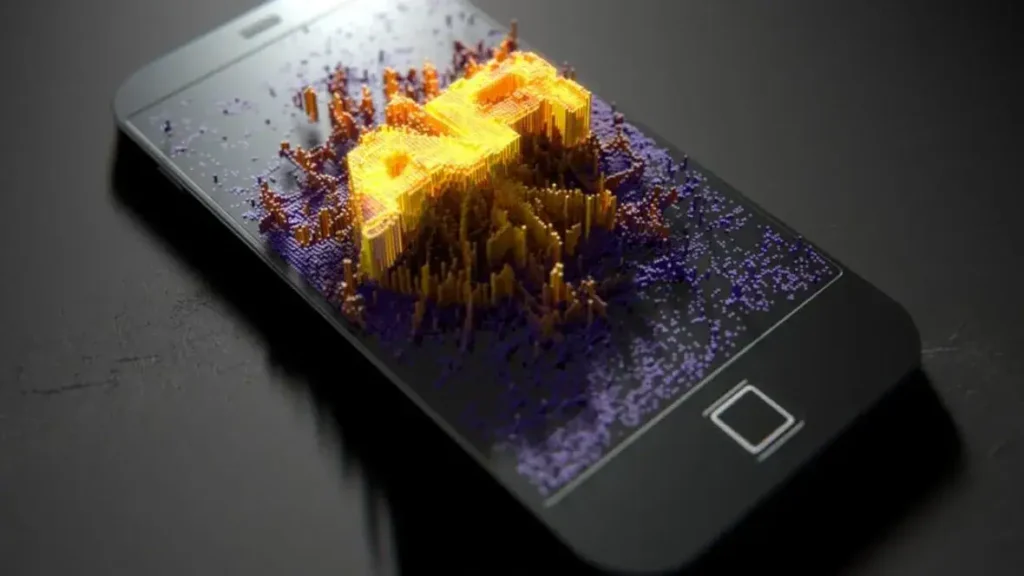
Augmented reality (AR) is a technology that blends the virtual and real worlds by overlaying digital information onto our physical environment. Augmented Reality (AR) has emerged as a groundbreaking technology that seamlessly blends the virtual and real worlds. In this blog post, we will explore what AR is, its various applications across industries, the advantages it offers, and the challenges it faces. Additionally, we will delve into the exciting future of augmented reality and how it promises to revolutionize our daily lives. So let’s dive in and discover how AR is bridging the gap between imagination and reality.
Augmented reality (AR) is a technology that blends the virtual and real worlds by overlaying digital information onto our physical environment. Unlike virtual reality, which creates an entirely immersive experience in a computer-generated environment, AR enhances our perception of reality by adding digital elements to it. By using various devices such as smartphones or smart glasses, users can interact with these augmented elements in real time, making AR a powerful tool for education, entertainment, and numerous other industries. Augmented reality seamlessly blends digital information with our physical environment, enhancing our perception of reality and transforming how we interact with technology.
Through the use of cameras and sensors, augmented reality works by recognizing the user’s physical surroundings and then projecting relevant digital content onto them. This content can range from simple text or images to complex 3D models or animations. By seamlessly integrating these virtual elements into our real-world view, AR allows us to enhance our understanding of objects or environments while still maintaining a connection to the physical world around us. With its ability to bridge the gap between virtual and real worlds, augmented reality has tremendous potential for transforming how we interact with technology in countless ways.
Augmented reality is a technology that combines virtual elements with the real world, enhancing our perception and interaction with our surroundings. By overlaying digital information onto physical environments, augmented reality creates an interactive and immersive experience for users.
Augmented Reality (AR) works by overlaying digital information onto the real world, creating an immersive experience that blends virtual elements with the physical environment. This technology is made possible through a combination of cameras and sensors in AR devices, which capture and interpret real-time data from the user’s surroundings. There are two main types of AR systems: marker-based and markerless. Marker-based AR relies on predefined markers or images to trigger virtual content, while markerless AR uses computer vision algorithms to detect objects and surfaces in the environment without the need for markers.

Augmented reality is revolutionizing the gaming and entertainment industry by providing immersive experiences that bridge the gap between virtual worlds and reality.
Gaming and Entertainment:
Augmented reality is revolutionizing the gaming and entertainment industry by providing immersive experiences that bridge the gap between virtual worlds and reality. With AR, users can interact with digital objects in their physical environment, enhancing gameplay and creating memorable moments.
Education and Training:
In education and training, augmented reality offers a new dimension of learning. It enables students to visualize complex concepts through interactive simulations, making abstract topics more tangible. AR also facilitates hands-on training experiences for professionals in various fields, allowing them to practice real-world scenarios in a safe virtual environment.
Immersive gaming experiences take players on a journey beyond their living rooms, transporting them to virtual worlds filled with stunning visuals and captivating gameplay. With the integration of virtual reality technology, gamers can fully immerse themselves in these digital realms, interacting with environments and characters as if they were right there in the game.
Interactive storytelling has revolutionized the way narratives are presented in gaming and entertainment. Gone are the days of passive consumption; now, audiences actively participate in shaping the story through their choices and actions. This level of interactivity creates a more engaging and personalized experience that keeps players coming back for more.
Through augmented reality, gaming and entertainment have reached new heights by bridging the gap between the virtual and real worlds. Augmented reality overlays digital content onto our physical surroundings, enhancing both gameplay and storytelling experiences. As this technology continues to evolve, we can expect even more seamless integration between these two realms, blurring boundaries like never before.
Simulated practical training allows students to gain hands-on experience in a safe and controlled environment. By using augmented reality technology, learners can practice real-world skills without the need for expensive equipment or risk of injury. Enhanced learning through visualizations takes education to a whole new level by providing interactive 3D models and simulations that help students grasp complex concepts more easily. Virtual field trips offer an immersive way for students to explore different environments and cultures without leaving the classroom, allowing them to broaden their horizons and deepen their understanding of various subjects.
In the fast-paced world of marketing and advertising, AR-powered product demonstrations have emerged as a game-changer. By blending virtual elements with reality, companies can showcase their products in an immersive and interactive way, capturing the attention of consumers like never before. This cutting-edge technology allows potential customers to visualize how a product will fit into their lives, increasing engagement and boosting sales.
Another powerful tool in the marketer’s arsenal is creating interactive brand experiences. By leveraging AR technology, brands can create memorable and personalized interactions with their target audience. Whether it’s through gamified experiences or virtual try-on sessions, these interactive encounters leave a lasting impression on consumers and foster stronger connections between brands and customers.
Furthermore, location-based promotions have become increasingly popular in recent years due to advancements in geolocation tracking technologies. Marketers now have the ability to send targeted offers or advertisements directly to consumers’ smartphones based on their location data. This hyper-targeted approach ensures that promotional content reaches individuals who are already near a specific store or event venue, maximizing conversion rates while minimizing wasted resources.

In the fast-paced world of marketing and advertising, AR-powered product demonstrations have emerged as a game-changer.
Augmented reality enhances the user experience by seamlessly blending virtual elements with the real world, creating a more immersive and interactive environment. This technology enables users to visualize and interact with digital information in their physical surroundings, leading to a heightened sense of presence and understanding.
Incorporating augmented reality into learning and training programs offers numerous benefits. It provides learners with dynamic visualizations that facilitate better comprehension and retention of complex concepts. Additionally, interactive AR experiences allow for hands-on practice in a safe virtual environment, enhancing skill development while minimizing risks associated with real-world scenarios.
Real-time information overlay brings a new level of convenience to users, providing them with instant access to relevant data and updates. By seamlessly integrating real-time information into their surroundings, augmented reality enhances user interactions by eliminating the need for manual searches or switching between different apps. This feature enables users to stay informed and make better decisions in real-time.
Interactive and immersive content immerses users in an engaging digital experience. Whether it’s through interactive games, virtual tours, or 3D visualizations, augmented reality captivates users by blurring the line between the virtual and real worlds. Such experiences create a sense of wonder and excitement while fostering deep connections with brands or products.
Personalized and customized experiences cater specifically to individual preferences and needs. Augmented reality leverages user data to deliver tailored content that resonates on a personal level, whether it’s personalized recommendations based on past behaviors or customizing virtual environments according to individual preferences. These personalized experiences enhance user satisfaction by delivering precisely what they desire, creating a unique bond between users and brands/products/services.
Hands-on practical simulations provide an immersive learning experience that bridges the gap between theory and practice. Through augmented reality technology, learners can engage in realistic scenarios, allowing them to apply their knowledge and skills in a safe environment.
Visualizing complex concepts in a simplified manner is made possible through augmented reality. By overlaying digital elements onto the real world, abstract ideas become more tangible and easier to understand. This visual representation enhances comprehension and retention of information.
Real-world problem-solving scenarios offer learners the opportunity to apply their knowledge in practical situations. Augmented reality creates interactive experiences where users can solve challenges using critical thinking and analytical skills. This hands-on approach nurtures creativity, adaptability, and decision-making abilities.
Gamification elements are being incorporated into augmented reality experiences to boost motivation and engagement. By introducing game-like challenges, rewards, and leaderboards, users are encouraged to actively participate and explore the virtual world. Collaborative experiences in shared AR environments further enhance engagement by allowing multiple users to interact and cooperate in real-time. This fosters a sense of community and promotes social interaction within the augmented reality space. Interactive storytelling techniques are also utilized to captivate users with engaging narratives that unfold as they navigate through the augmented environment, creating an immersive experience that keeps them invested and eager for more.

Gamification elements are being incorporated into augmented reality experiences to boost motivation and engagement.
Technical Limitations: Augmented reality faces several technical challenges that hinder its seamless integration into everyday life. One major obstacle is the limited field of view, which restricts users’ ability to fully engage with virtual objects and information in their environment. Another challenge is the dependence on stable network connectivity and advanced hardware, making it inaccessible to those without high-end devices or reliable internet access.
Privacy and Ethical Concerns: The rise of augmented reality raises significant privacy and ethical concerns. With the ability to overlay digital content onto physical spaces, there are fears of data breaches, surveillance issues, and unauthorized tracking of individuals. Additionally, ethical dilemmas arise when considering how augmented reality can blur boundaries between real-world experiences and fabricated realities, potentially leading to misinformation or manipulation.
Cost and Accessibility: Despite its promises, cost remains a major barrier for widespread adoption of augmented reality technology. Developing AR applications can be expensive due to specialized tools and expertise required. Moreover, accessibility is an issue for individuals from lower-income backgrounds who may not have the means to afford compatible devices or access necessary resources for learning about AR technology.
Hardware Requirements:
Processing Power:
Battery Life:
Data security and privacy risks are major concerns when it comes to the use of augmented reality. With the collection and processing of personal data, there is a higher risk of breaches and unauthorized access. Invasion of personal space becomes another ethical concern as AR blurs the line between virtual and real worlds, potentially intruding on individuals’ private lives without their consent. Moreover, unethical use of augmented reality can lead to manipulation or exploitation of users for commercial or malicious purposes, raising serious ethical implications that need careful consideration in its development and implementation.
High initial costs for development can be a barrier to the widespread adoption of augmented reality technology. The creation and implementation of AR applications often require specialized equipment and expertise, resulting in significant upfront expenses. However, as the technology continues to evolve and become more mainstream, we can expect these costs to gradually decrease.
Ensuring affordability for end users is crucial in making augmented reality accessible to a wider audience. While high-end AR devices may still come with hefty price tags, there are also affordable options available such as smartphone-based AR apps that have gained popularity. By providing cost-effective alternatives, we can enable individuals from various socio-economic backgrounds to experience the benefits of this transformative technology.
Accessibility in developing countries remains a challenge for augmented reality adoption. Limited internet connectivity and insufficient infrastructure hinder the availability of AR experiences in these regions. Addressing this issue requires collaboration between governments, tech companies, and non-profit organizations to invest in expanding digital infrastructure and promoting technological inclusivity worldwide

Augmented reality gaming offers immersive entertainment experiences,
Integration with Artificial Intelligence
Augmented reality (AR) is set to revolutionize the way we interact with artificial intelligence (AI). By seamlessly integrating AR technology with AI capabilities, users will be able to have a more immersive and intuitive experience. Imagine being able to visualize complex data in real-time or having virtual assistants that can understand and respond to our gestures. The future of AR lies in its ability to enhance the power of AI, opening up endless possibilities for industries such as healthcare, education, and gaming.
Industrial and Business Applications
The potential of augmented reality extends far beyond entertainment and gaming. Industries such as manufacturing, logistics, and retail are embracing AR technology to streamline their operations and increase efficiency. With AR-enabled devices like smart glasses or headsets, workers can have hands-free access to valuable information while performing their tasks. This not only improves productivity but also reduces errors by providing real-time guidance and instructions. As businesses continue to explore the benefits of augmented reality solutions tailored for their specific needs, we can expect significant advancements in industrial automation processes.
Potential for Everyday Life
In addition to its impact on industries, augmented reality has immense potential for everyday life applications. From enhancing our shopping experiences through virtual try-on features or interactive product demonstrations to revolutionizing navigation by overlaying directions onto our field of view – the possibilities are endless. Moreover, educational institutions can leverage AR technology as a powerful tool for immersive learning experiences that bring concepts alive in ways never seen before. As this technology becomes more accessible and affordable over time paired with rapid development within software ecosystems – it is safe say that augmented reality will soon become an integral part of our daily lives.
Enhancing AI-powered virtual assistants unlocks new levels of productivity and convenience, allowing them to understand and respond to user queries with greater accuracy. By leveraging advanced machine learning algorithms, these virtual assistants can continually learn and improve their capabilities over time.
Improving object recognition and tracking capabilities in augmented reality paves the way for immersive experiences that seamlessly integrate digital content into the real world. With enhanced accuracy and speed, users can interact with virtual objects as if they were tangible, opening up exciting opportunities in fields such as gaming, design, and education.
Enabling real-time language translation fosters global communication by breaking down language barriers. Through augmented reality technology powered by artificial intelligence, individuals can have instant translations displayed in their field of view during conversations or while navigating unfamiliar environments. This empowers users to confidently engage with people from different cultures without needing a deep understanding of multiple languages.
Streamlining manufacturing processes has become easier and more efficient through the use of augmented reality (AR)-guided instructions. By overlaying digital information onto the physical environment, workers can receive real-time guidance on assembly tasks, reducing errors and improving productivity.
In addition, AR glasses are facilitating remote collaboration for field technicians. These wearable devices allow experts to see what a technician sees in real time, providing instant guidance and troubleshooting from afar. This not only saves time and travel costs but also enables faster problem-solving and greater efficiency in service delivery.
Furthermore, virtual try-on technologies are enhancing customer experiences in retail settings. With virtual mirrors or smart fitting rooms that utilize AR technology, customers can visualize how products will look on them without physically trying them on. This interactive experience not only increases engagement but also reduces returns by ensuring customer satisfaction with their purchases.
These applications demonstrate the immense potential of augmented reality in streamlining industrial processes, enabling remote collaboration, and enhancing consumer experiences across various business sectors.
Augmented reality gaming offers immersive entertainment experiences, blurring the lines between the virtual and real worlds. With interactive gameplay and realistic visuals, players can engage in thrilling adventures right from their living rooms. AR navigation systems have revolutionized travel and exploration by enhancing our ability to navigate unfamiliar locations. By overlaying digital information onto our physical surroundings, these systems provide real-time directions and points of interest, making it easier than ever to explore new places with confidence. Virtual home design allows homeowners to visualize interior changes before implementing them physically. Through AR technology, individuals can virtually place furniture, experiment with different color schemes, and assess spatial arrangements in their homes. This not only saves time but also helps ensure that every design decision is well-informed for a harmonious living space.
Telegram: @americanguerillamarketing
Sign up to get blog posts here