How Can Protest Organizers in Montana Effectively Use Marketing?
Peaceful organizing thrives on clarity, respect, and steady follow through. This guide offers a general, non targeted playbook for promoting lawful demonstrations in any community, with a focus on communication practices that invite participation while keeping people safe and informed.
Public trust grows when messages feel neighborly, constructive, and calm. People pay attention when the tone is steady and the ask is practical. Clear, hopeful language reduces tension and makes it easier for bystanders to listen and consider taking part.
A helpful mental model: speak like a good neighbor. Avoid labels, accusations, or insider jargon. Emphasize shared values, practical steps, and gratitude for everyone who contributes.
Which channels work for broad, mixed age audiences?
Use a blend so different groups can hear from you:
Community boards, storefront windows with permission, libraries, and cafés
Local radio call ins, community papers, and event calendars
Email lists and simple SMS reminders
Social platforms that match your base’s habits
Word of mouth supported by handouts and a short website link
Treat digital and physical channels as partners. A poster sparks awareness, a QR code or short URL connects people to details, and an email or text confirms the plan.
How can physical materials extend visibility?
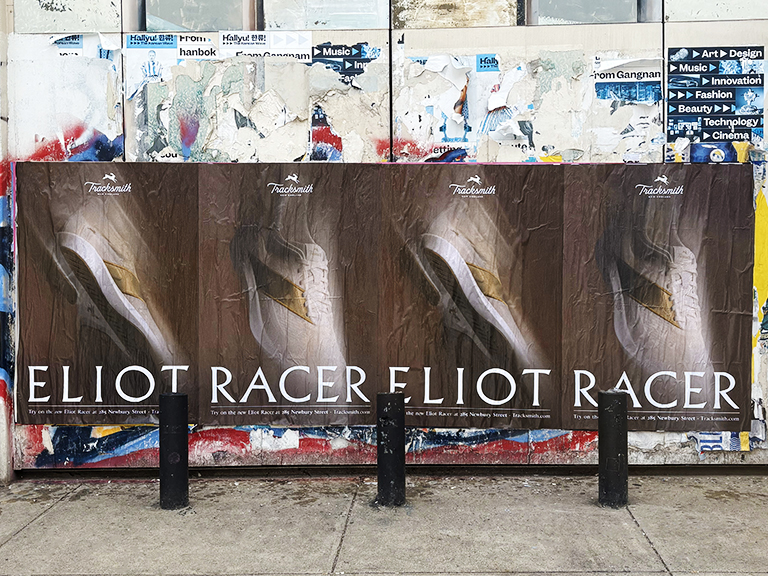
Not everyone is glued to a phone. Signs, posters, stickers, handouts, and permitted installations let messages live in the places people pass every day. Short, repeatable visuals work best.
Quiet repetition beats one loud moment. Keep the wording steady so recognition builds.
Where should print materials be placed with permission?
Think in layers where people already gather:
Civic and retail corridors: windows with consent, community boards, and service counters
Campus zones: student centers, classroom buildings, and transit stops
Connectors: bus shelters with approval, shared bike paths, pedestrian tunnels
Community and faith spaces: community center boards, event halls, markets
Start with indoor or semi sheltered spots so materials last longer. Always ask first, log approvals, and set a plan to maintain and remove placements on schedule.
What design choices improve readability from a distance?
You have seconds. Make every element count.
Headlines: five to seven words, one message per surface
Fonts: two max, clean sans serif or simple slab serif
Color: high contrast pairs and one bright accent for the call to action
Imagery: real people and local places, hopeful in tone
QR and URLs: one link per piece, bottom right placement with a short URL printed beneath
Consistency: reuse the same headline, colors, and logo lockup everywhere
Design for legibility from across the street. Favor large type, thick strokes, and uncluttered layouts.
Which materials endure weather while staying eco minded?
Match format to season and placement. Where conditions are tough, invest in durability. Where indoors, choose recyclable paper and keep costs low.
Material type
Best use case
Visibility
Durability
Notes
Laminated poster
Semi sheltered boards
High
High
Secure edges against wind
Corrugated plastic sign
Private property with approval
High
High
Reusable and sturdy
Vinyl banner
Permitted fences or facades
Very high
High
Plan removal date
Paper poster
Indoor boards and storefronts
High
Medium
Rotate weekly to stay fresh
Decal or sticker
Windows and boards with consent
Medium
Medium
Use removable adhesive
Small flyer
Handouts and counters
Medium
Low
Pair with a QR code
Chalk message
Event day directional arrows
Medium
Low
Washable and time limited
Sustainable choices signal care for shared spaces: recycled paper, plant based inks, reusable banners, and clear cleanup plans.
How should distribution respect people and property?
Lead with courtesy and consent.
Get permission from owners or managers
Keep sidewalks, doorways, and accessibility features clear
Log placements, dates, and quantities with a quick photo
Schedule maintenance every five to seven days
Remove materials promptly after the event
Carry supplies to clean up old tape or residue
Careful distribution earns goodwill and reduces complaints.
What permits and rules should organizers review?
Rules vary. Before printing, check:
Requirements for assemblies, marches, amplified sound, or street closures
What is allowed on community boards, transit shelters, and campuses
Restrictions around polling places, public rights of way, and government buildings
Any special use rules for parks, plazas, or waterfronts
Timelines for removal of temporary signs after events
When in doubt, ask the relevant office for written guidance. Keep a copy of approvals with field leads.
How can teams plan for safety and accessibility?
Plan for people first. Safety and access are not extras.
Basic first aid kit, water, sunscreen, and weather gear
Reflective vests and lights for dusk or roadside work
Clear, level paths and large print materials
Volunteers trained on safe ladder use and lifting
A buddy system and check in times during field shifts
A point person for urgent issues on event day
Document emergency contacts and share them with all team leads.
What simple model estimates reach and response?
Use a few practical assumptions, then calibrate with real data.
Poster count: size based on population and foot traffic
Average daily impressions per poster in busy corridors: a fixed estimate you adjust over time
Unique view factor: portion of impressions that represent different people
Engagement rate: fraction of viewers who scan a QR, visit a link, or complete the ask
Social share rate: small percent of engagements that trigger shares
Example flow: Gross impressions equals posters times daily impressions times days in market. Unique reach equals gross times the unique factor. Actions equal unique reach times the engagement rate. Mark your actuals at week two and update the factors for your next cycle.
Which weekly metrics guide course corrections?
Watch a short list that maps awareness to action.
Awareness: intercept surveys, social mentions, direct type ins to your URL
Information access: QR scans by location, short URL clicks with UTM tags, time on page
Community signals: media mentions, partner requests, new host locations
If numbers stall, refresh the headline and art while keeping your core identity steady.
How can attribution be tracked across channels?
Make it easy to tell what worked.
Unique QR codes per neighborhood or partner
Short URLs grouped by channel: print, social, email
A weekly field audit with brief intercept questions
A holdout zone where you delay placement one week
A simple dashboard that pulls scans, site analytics, signups, and field notes
Look for spikes within 24 to 72 hours of new clusters. Tag those tactics for reuse.
What creates shareable moments without conflict?
Positivity and clarity travel far.
Photograph posters near recognizable landmarks
Keep taglines short enough to read on a phone screen
Encourage supporters to post their favorite placement with one hashtag
Build a sticker trail from transit to an event gate
Create a permitted mini installation wall and time a short reel for peak foot traffic
Pair every viral visual with a link to actions people can take
Short video clips with authentic voices work best. Aim for 15 to 45 seconds, subtitles on, and a clear ask.
How should tone and voice invite wide participation?
Use first person plural and speak to shared hopes.
Center neighbors helping neighbors, safe streets, and care for land and water
Lead with simple steps people can take today
Thank hosts and partners publicly
Acknowledge different views while staying clear about your purpose
Write at a clear reading level and cut insider terms. Confidence plus kindness opens doors.
Which volunteer roles keep field work organized?
Match people to what they do well.
Street captain: manages eight to ten volunteers and route quality
Permissions lead: secures placements and keeps consent notes
Data lead: tracks QR codes and weekly metrics
Creative lead: maintains brand files, templates, and print specs
Social lead: schedules posts and engages respectfully online
Field crews: place and refresh materials, capture photos, and collect signups
Provide short role one sheets with checklists and contacts for quick handoffs.
What gear and supplies should teams carry?
Pack light, pack smart.
Posters, snipes, decals, zip ties, painter’s tape, safe adhesive
Staple gun with staples where allowed
Scissors, utility knife, clips, pushpins, and a clipboard
Reflective vests, gloves, ponchos, sunscreen, and water
Trash bags and wipes for cleanup
Charged phones, battery packs, and a shared route map
Assign a small toolkit per crew so people are not waiting on shared items.
How should schedules cover launch and cleanup?
Build a cadence and stick to it.
Week 1: finalize art, print, build routes, and secure permissions
Week 2: place the bulk of materials and start steady digital posts
Week 3: refresh top spots, step up social, and pitch media
Day before: last placements, confirm crews, and send reminders
Event day: greet early, manage flow, and collect quick feedback
Following week: remove materials, recycle, and store reusables
Add midweek spot checks and a weekend maintenance pass. Set calendar holds for removal so nothing lingers.
How can files and brand assets stay consistent?
Centralize and simplify.
Store assets in a shared cloud folder with clear names and dates
Lock templates for posters, stories, and social sizes
Keep a short style guide with color values, logos, and typography rules
Assign one owner to approve final art
Archive source files for fast reprints
Consistency builds recall. If people see the same headline and color across channels, they remember.
Who makes good partners and how to engage them?
Look for groups that benefit from healthy, peaceful public life. Community centers, youth clubs, neighborhood associations, faith communities, and local businesses can all help.
Ask for board space or table time
Co list events on newsletters and calendars
Offer drop in volunteer shifts that match partner hours
Share templates so partners can print a few signs
Thank partners in weekly posts and recap emails
Keep it simple, clear, and transparent. A short note outlining expectations goes a long way.
What budget lines and savings should be planned?
Plan for materials, media capture, outreach, and measurement. A sample spread:
Media: volunteer photo and short form video, simple editing tools
Outreach: small social boosts, local notices
Logistics: permits where required, first aid, water, and snacks
Measurement: free analytics, simple surveys
Volunteer support: fuel stipends and safety gear
Save money through in kind printing, shared equipment, open source tools, and community grants. Track every dollar and every result so you can improve next time.
What checklist catches issues before printing?
Run every piece through the same lens.
Is the headline readable from 20 feet away
Does the design use one link and one ask
Do colors and fonts match the rest of your materials
Is the tone respectful, clear, and calm
Are facts and quotes accurate
Do you have permissions for every placement on your route
Did you schedule maintenance and a cleanup date
Are partner logos approved and correct
Have a second set of eyes review. Small fixes now prevent big headaches later.
How can a ten minute training set standards?
A quick briefing sets the tone for safe, respectful field work.
Safety first: traffic awareness, ladder basics, and working in pairs
Respect rules: ask before posting, avoid public fixtures without approval
Aim straight: level placements signal care and professionalism
Document: snap a photo and add it to the route log
Leave no trace: remove tape residue and replace torn materials
Be kind: thank owners and neighbors for their time
End with role play of two common scenarios: a polite refusal from a store manager and a curious passerby with questions. Confidence comes from practice, and practice only takes a few minutes.
Who can you contact for compliant support focused on safety and accessibility?
If you need content neutral print, mapping, and installation support for public gatherings in Montana, contact Campaign Strategist Justin Phillips at [email protected].