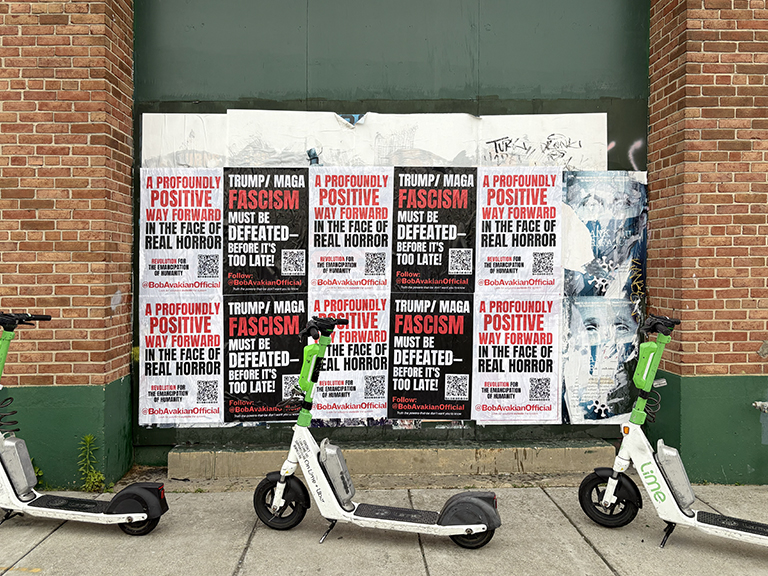
Wheat pasting is your secret weapon for grabbing attention in local hotspots, but wrangling permits can throw a wrench in even the slickest creative plans. This guide spills the beans on what wheat pasting permits are all about, why they’re non-negotiable, the different kinds you’ll need, how city rules shake out, the application game, and what it all costs. You’ll learn how getting the green light keeps your brand looking sharp and your campaign dollars working harder. Plus, our crew at American Guerilla Marketing LLC is here to make permit acquisition a breeze for your wheat pasting projects.
This research backs up our point: wheat pasting is a killer way to connect locally and build up your brand’s rep.
Wheat pasting Permits: What They Are and Why You Can’t Skip ‘Em
Think of wheat pasting permits as your official “go ahead” to legally plaster your message in public spaces. They lay down the law on where, when, and how your campaign can roll out. These permits keep your work from getting yanked and save you from hefty fines, all while keeping the peace with the neighborhood. They’re the blueprint art directors need for smooth, consistent campaign launches.
Wheat pasting 101: What It Is and How Permits Fit In
Wheat pasting is that awesome guerrilla marketing trick where you use wheatpaste or other sticky stuff to slap posters on street furniture, walls, and billboards. Since you’re interacting with city property, snagging a permit means you’re playing by local zoning and public works rules. This lets your creative team unleash bold visuals without a hitch.
The Fallout from Going Rogue with Wheat pasting
Skipping the permit step? You’re rolling the dice with legal trouble, posters getting trashed, and your brand looking bad.
How Permits Shield Your Brand and Campaign Wins
Permits give your outdoor marketing the official nod, keeping it legit. They stop your campaign from getting shut down unexpectedly and show you respect the community’s rules. Getting the okay means your message stays up, your brand looks solid, and you build good vibes with property owners and city folks.
The Lowdown on Wheat pasting Permit Types
Wheat pasting gigs usually fall into a few permit buckets, depending on how long they’re up, where they are, and what kind of art you’re pushing.
Here’s a quick rundown of the usual suspects and when you’d use them.
Temporary Signage Permits: Your Go-To for Quick Hits
These permits are perfect for short-term plays like hyping up events or teasing new products. They let you get wheat pastings up fast in approved areas with minimal fuss, making them ideal for pop-up shops and festival promotions.
Public Art vs. Commercial Advertising Permits: What’s the Difference?
Public art permits are all about adding cultural flair. They often involve design reviews, getting the community on board, and having a maintenance plan.
Commercial advertising permits are focused on driving sales. They usually require standard poster formats and have fee structures based on poster size and where they’re placed.
When Private Property Permission Trumps a Permit
If you get the thumbs-up directly from a property owner, you might not need a city permit. Just make sure your agreement clearly spells out where, how long, and who’s responsible for taking them down to keep things smooth and respectful.
Wheat pasting Rules and Permit Quirks: It’s a City-by-City Thing
This source gives us the backstory on why wheat pasting laws and permit needs change from one city to the next.
Who’s Calling the Shots on Wheat pasting Permits?
How Tough Are NYC’s Wheat pasting Rules?
New York City plays by some seriously strict wheat pasting rules. Unpermitted wheatpasting on public property is a no-go, and you need a permit for every single spot. The Department of Sanitation is on the lookout, ready to remove illegal posters and hit violators with fines up to $2,500 a pop. So, getting that pre-approval is a must.
Other Big Cities with Their Own Wheat pasting Playbooks?
Los Angeles, Chicago, and Toronto all have their own unique takes on wheat pasting:
Your Step-by-Step Guide to Nailing Wheat pasting Permit Applications
Applying for wheat pasting permits is a clear process involving specific steps, paperwork, and timing to get your legal okay without a hitch.
The Nitty-Gritty of Permit Applications: What You Need to Do
What Paperwork and Fees Are Usually on the Menu?
Applications typically ask for a mix of official documents and cash upfront:
How Long Does It Take to Get Approved?
Approval times can swing depending on where you are, but usually, it’s a two-to-six-week wait. Factor this into your campaign timeline so your creative work and installation schedules stay on track.
The Financial Side: Costs, Fines, and What Permits Mean for Your Budget
This research helps us understand the costs, fines, and financial ripple effects of wheat pasting permits.
So, How Much Do Wheat pasting Permits Actually Cost?
What Are the Penalties for Posting Illegally?
How Does Playing by the Rules Boost Your Campaign’s Return?
Getting permits means your campaign can run longer, avoids costly interruptions, and makes your brand look super professional. By investing in the proper authorization from the start, brands often see better engagement and earn more audience trust, leading to a stronger return on their marketing investment.
Creative teams that make legal compliance a priority set the stage for unforgettable, uninterrupted wheat pasting campaigns that make a real impact and protect brand integrity, especially when working with American Guerilla Marketing LLC’s full-service expertise. Following the rules doesn’t just cut down risk; it cranks up campaign performance through smart planning and flawless execution.
Our tried-and-true permit management process fits perfectly with design, installation, and reporting, letting art directors focus on their vision while we handle all the behind-the-scenes heavy lifting. Killer campaigns are built on solid legal ground, and teaming up with a seasoned guerrilla marketing agency guarantees both authority and impact.
Frequently Asked Questions
How much does a guerrilla marketing campaign cost?
Campaigns start from $3,500 depending on service, market, and scale. Contact us for an exact quote.
Does AGM operate nationwide?
Yes. AGM executes campaigns in all 50 U.S. states with dedicated crews in NYC, LA, Miami, Chicago, Las Vegas, Orlando, and Nashville.
What documentation does AGM provide?
Every campaign includes GPS-tagged photo documentation, timestamped placement records, and a full report delivered within 24 hours.