
September 3, 2025 Bar and Restaurant Advertising
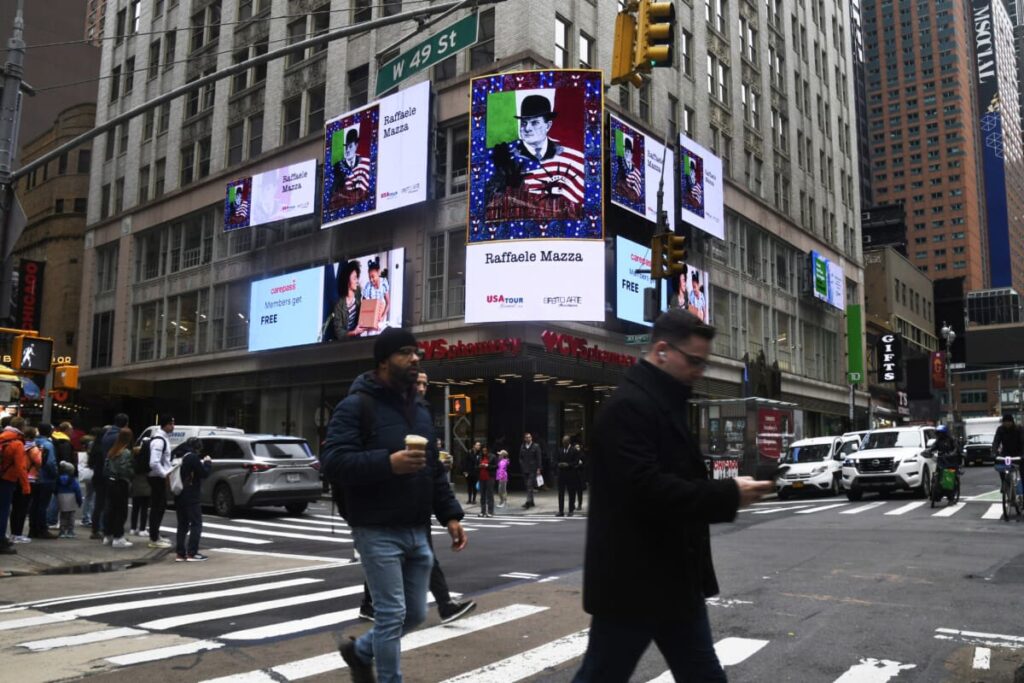
Texas feels like a country within a country—its sheer scale, economic firepower, and complex web of highways make it one of America’s most competitive markets for outdoor advertising. A drive down I‑10, the I‑35 corridor through Austin and San Antonio, or I‑45 into Houston reveals more than skyline views: it’s a masterclass in brand presence, all built on the backbone of every marketer’s favorite old-school disruptor, the billboard.
It’s easy to see why major brands and local businesses alike pour resources into billboard advertising campaigns across the Lone Star State. Texas moves. Four of the nation’s top-15 most populous cities—Houston, San Antonio, Dallas, and Austin—anchor massive flows of commuters, cross-country travelers, and tourists daily. High visibility is a guarantee, but how much should you expect to invest for effective placement? What is the true cost of entry, and are certain Texas markets especially efficient or expensive? Let’s unpack the landscape.
Billboard pricing in Texas is as diverse as its cities and landscapes. Costs are traditionally quoted for a four-week period, which is the industry standard. Here’s how rates generally break down by size and format:
Large Static Bulletins: $2,300–$9,900 per 4 weeks Large Digital (LED) Billboards: $2,975–$8,900 per 4 weeks Medium Static Posters: $945–$1,500 per 4 weeks Medium Digital Posters: $1,400–$2,000 per 4 weeks
Beyond these median ranges, statewide extremes show even lower entry points and eye-watering highs:
Minimum campaign spend is typically set at $5,000. This covers either multiple placements across several weeks in a regional program, or one highly-coveted spot for a longer duration. Another must-account-for line item is production—print and install or creative uploads for digital displays add an average $850 per board, with creative refreshes recommended for any campaign running more than a month or two.
Billboard advertising decision-makers in Texas should not only weigh location and size, but also factor in the duration and overall scope of the campaign. Extended contracts or multiple boards sometimes unlock modest savings—annual campaigns often see capped increases in rent, typically 3–8% per year, giving brands better visibility into their long-term spend.
Texas’s urban zones pose wildly different billboard advertising pricing environments. Here’s what advertisers are actually paying on the ground in key cities:
Average cost in Dallas lands at just over $4,300/month. However, what truly stands out is Dallas’s cost per thousand impressions (CPM): Average CPM is about $2.61, with 2.05 billion weekly impressions available on just one vendor’s network. Scale meets efficiency, making Dallas a playground for brands needing both reach and value, especially in multicultural and affluent demographic segments.
Billboard costs reflect the market size. Average board: $2,520 per 4 weeks. CPM is notably higher at $4.81, offering about 524,000 impressions monthly.
With fewer billboards (and significantly fewer drivers than a metro like Dallas), each impression is costlier. Yet, for advertisers wanting deeper penetration in a tight-knit local market, Lubbock’s boards draw focused attention, often from community-minded audiences.
El Paso stands out for both affordable static placements and digital deals.
The city’s blend of urban reach and cross-border visitor traffic keeps overall impressions—and efficiency—exceptionally strong.
A quick glance at mid-sized and smaller urban centers:
| City | Typical 4-Week Cost | CPM | Monthly Impressions |
|---|---|---|---|
| Bryan/College Station | ~$655 (starting at $185) | $6.35 | ~147,500 |
| Mission | $600–$3,500 | — | — |
| Wichita Falls | ~$534 | $2.29 | ~58,324 per week |
Suburban and rural boards in these regions offer budget-friendly rates and the opportunity for hyperlocal targeting large enough to dominate their geography.
To ground these numbers, here’s a sample of going rates in several key regions and board types (per 4-week cycle):
| Format/Region | Cost (4 Weeks) | Average CPM or Impressions Insight |
|---|---|---|
| Statewide Static Bulletin | $2,300–$9,900 | Avg spend: ~$5,000+ minimum |
| Statewide Digital Bulletin | $2,975–$8,900 | — |
| Statewide Medium Poster | $945–$1,500 | — |
| Statewide Digital Poster | $1,400–$2,000 | — |
| Small Posters (Statewide) | ~$391 | — |
| Dallas Avg Billboard Advertising | ~$4,320 | CPM $2.61; Impressions 2.05B/week |
| Lubbock Avg | ~$2,520 | CPM $4.81; Impressions ~524K/month |
| El Paso Static Avg | ~$2,020 (low $280) | CPM $2.26; Impressions 29.8B |
| El Paso Digital Avg | ~$319 (low $100) | CPM $0.48; Impressions 2.67B |
| Bryan Avg | ~$655 (low $185) | CPM $6.35; Impressions ~147.5K |
| Mission | Static $3.5K; Digital $2.5K | Range: $600–$3,500/month |
| Wichita Falls Avg | ~$534 | CPM $2.29; Impressions ~58K/week |
Several forces shape the billboard marketplace across Texas:
Racking up impressions starts before your message hits the road. It pays to have a clear sense of true campaign budgeting, broken into:
A sample one-month campaign for a large static bulletin (e.g., Houston, Dallas) may add up as follows:
For digital boards, while the monthly price is somewhat higher, advertisers often see increased flexibility (rotations, day-parting, fast creative changes) and better tracking.
Pricing only tells part of the story. Measurement and reporting have become central to maximizing ROI and maintaining transparency in Texas billboard advertising programs.
Key best practices:
Texas’s top markets stack up impressively in CPM benchmarking. El Paso digital boards can return CPMs under $0.50, emphasizing efficiency for cost-sensitive brands. Dallas delivers mass exposure, especially for B2C and multicultural brands, at $2.61—hard to match for such a metropolitan market. Every campaign can be engineered to strike its own balance between cast net and laser target, maximizing value for spend.
How can foot traffic analytics, promo codes, or mobile retargeting demonstrate billboard impact
These quantitative approaches turn what used to be a “gut feeling” channel into an accountability-driven investment.
Billboard advertising in Texas is far from a one-size-fits-all proposition. High-traffic urban corridors offer unmatched audience scale and sophisticated reporting; rural and mid-sized markets provide cost-efficient hyperlocal access and reduced noise for smaller brands.
Thoughtful campaign layout—choosing formats, placement, and creative iteration—further distinguishes campaigns that move the needle from those that simply blend into the skyline. Blending static and digital boards, integrating QR or web URLs, leveraging local cultural insight, and connecting out-of-home activity to digital analytics now enables Texas advertisers to craft programs that perform at every level.
Texas’s fast-growing metro areas and dynamic business climate guarantee that billboards will continue playing an outsized role in the marketing mix. With smart planning and granular measurement, campaign managers can be confident their presence along Texas roadways will resonate, inform, and, ultimately, drive brand value.
From Houston freeways to Dallas interstates and Austin’s bustling corridors, Texas billboard advertising delivers massive reach. Connect with Justin at [email protected] to get billboard pricing details and launch campaigns that make your brand impossible to miss.