
August 14, 2023 Billboard Advertising

Digital billboards have revolutionized the advertising industry, offering numerous advantages over traditional static billboards. Digital billboards have revolutionized the advertising industry, offering numerous advantages over traditional static billboards. In this blog post, we will explore what billboards are and delve into the benefits of using digital billboards. We will also discuss how these technological advancements have impacted the advertising industry and examine some of the challenges they present. Finally, we will look ahead to future trends in digital billboard advertising. Stay tuned to discover why digital billboards are shaping the future of advertising as we know it.
Billboards are large outdoor advertising structures that display messages and advertisements. Traditionally, they were static billboards made of printed materials. However, with the rise of technology, digital billboards have become increasingly popular. These digital billboards use LED screens to showcase dynamic and interactive content, offering a more engaging and eye-catching form of advertising in the modern age.
Traditional billboards have a rich history and have evolved significantly over the years. Originally made of wood or metal, these static displays were manually updated with new advertisements. With advancements in technology, traditional billboards now incorporate digital elements such as LED screens to enhance their visual appeal.
Advantages:
Wide reach:
Cost-effective:
Longevity:
Limitations:
Lack of interactivity:
Limited targeting options:
Impact on Advertising Industry:
Traditional billboards continue to play a significant role in the advertising industry by providing effective brand exposure opportunities. They contribute to creating brand awareness and generating consumer interest through visually striking displays. However, with the rise of digital billboards offering more dynamic and targeted advertising options, brands are increasingly exploring new avenues for reaching their target audiences effectively.
Digital billboards have revolutionized the advertising industry with their advanced technology. These high-tech displays utilize digital screens to deliver dynamic and engaging content to audiences. Unlike traditional billboards, digital billboards offer increased flexibility in terms of scheduling and content management, allowing advertisers to easily update their messages in real-time.
Digital billboards have revolutionized the advertising industry, offering increased flexibility and vibrant displays that capture attention more effectively than traditional static ones. Companies like Coca-Cola and Nike have leveraged these platforms to create interactive experiences that generate widespread buzz and maximize brand exposure.
The benefits of digital billboards over traditional ones are undeniable. With their vibrant colors and eye-catching animations, these digital displays capture attention more effectively than static advertisements. Additionally, the ability to change messaging on demand enables advertisers to target specific demographics or promote time-sensitive offers with precision.
Numerous successful campaigns have leveraged the power of digital billboard advertising. Companies such as Coca-Cola and Nike have utilized these platforms to create interactive experiences that resonate with consumers. By incorporating social media integration or gamification elements into their ads, they were able to generate widespread buzz and maximize brand exposure.
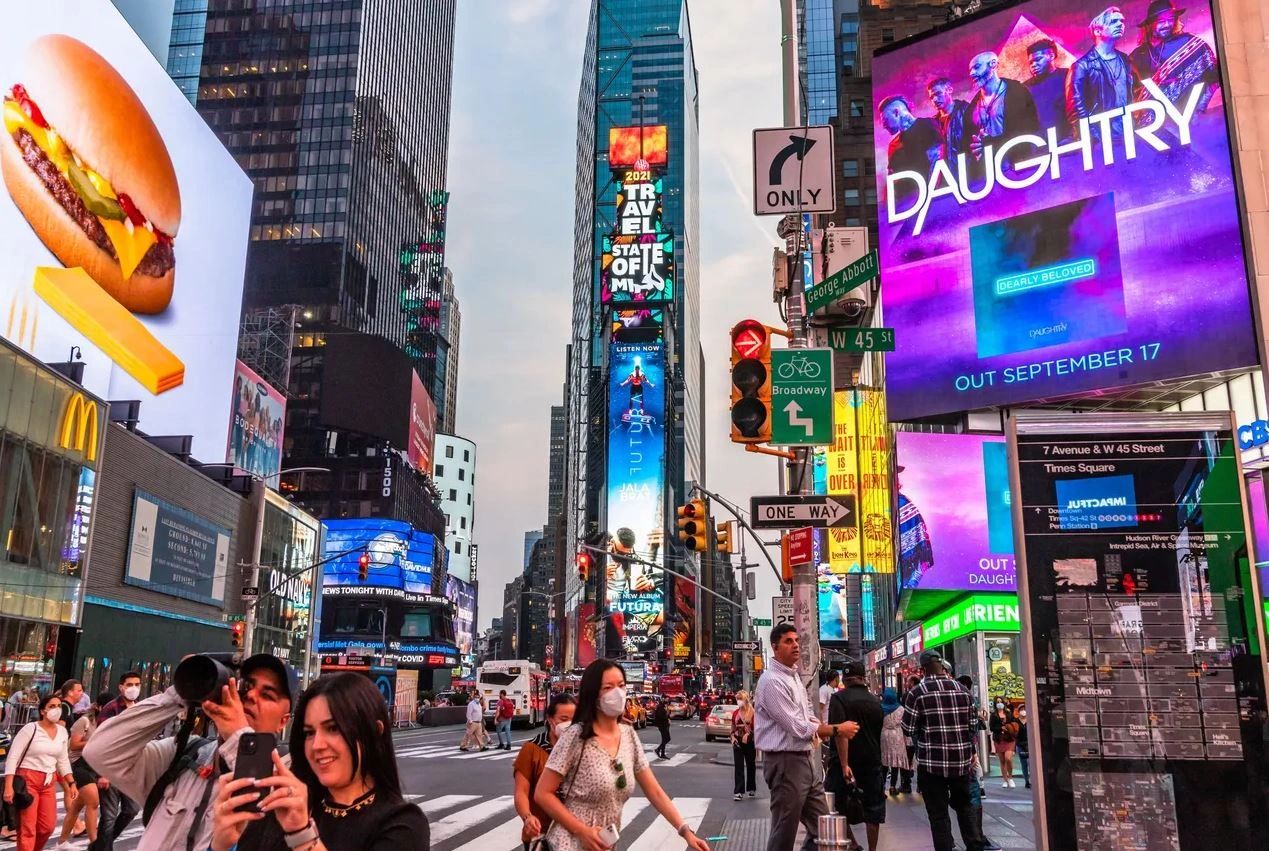
Digital billboards have revolutionized the advertising industry, offering increased flexibility and vibrant displays that capture attention more effectively than traditional static ones.
1. Dynamic and interactive content brings advertisements to life, capturing the attention of passersby with eye-catching visuals and engaging messages.
2. Real-time advertising allows for timely promotions and updates, ensuring that the audience receives the most relevant information at any given moment.
Dynamic and interactive content is revolutionizing the world of advertising, making traditional billboards a thing of the past. With engaging visuals, interactive features, and customizable messages, digital billboards are capturing the attention of audiences like never before.
Engaging visuals:
Interactive features:
Customizable messages:
Incorporating dynamic and interactive elements into billboard advertising ensures that brands can connect with their target audience in innovative ways. The possibilities are endless for creating memorable experiences that leave a lasting impression.
Real-time advertising offers a powerful way to engage consumers with targeted messaging, timely promotions, and localized campaigns. With real-time data analysis and advanced technologies, advertisers can tailor their messages based on consumer preferences and behavior, ensuring maximum impact. By delivering personalized content at the right time and in the right location, real-time advertising enables businesses to optimize their marketing efforts for better results.
Targeted messaging:
Timely promotions:
Localized campaigns:
Reduced printing costs are one of the key advantages of digital billboards. By eliminating the need for physical materials and regular replacements, businesses can save significantly on printing expenses. Easy content updates allow advertisers to make changes to their advertisements quickly and efficiently, ensuring that their messaging remains fresh and relevant. With flexible scheduling options, advertisers have greater control over when and where their ads are displayed, allowing them to target specific audiences at optimal times.
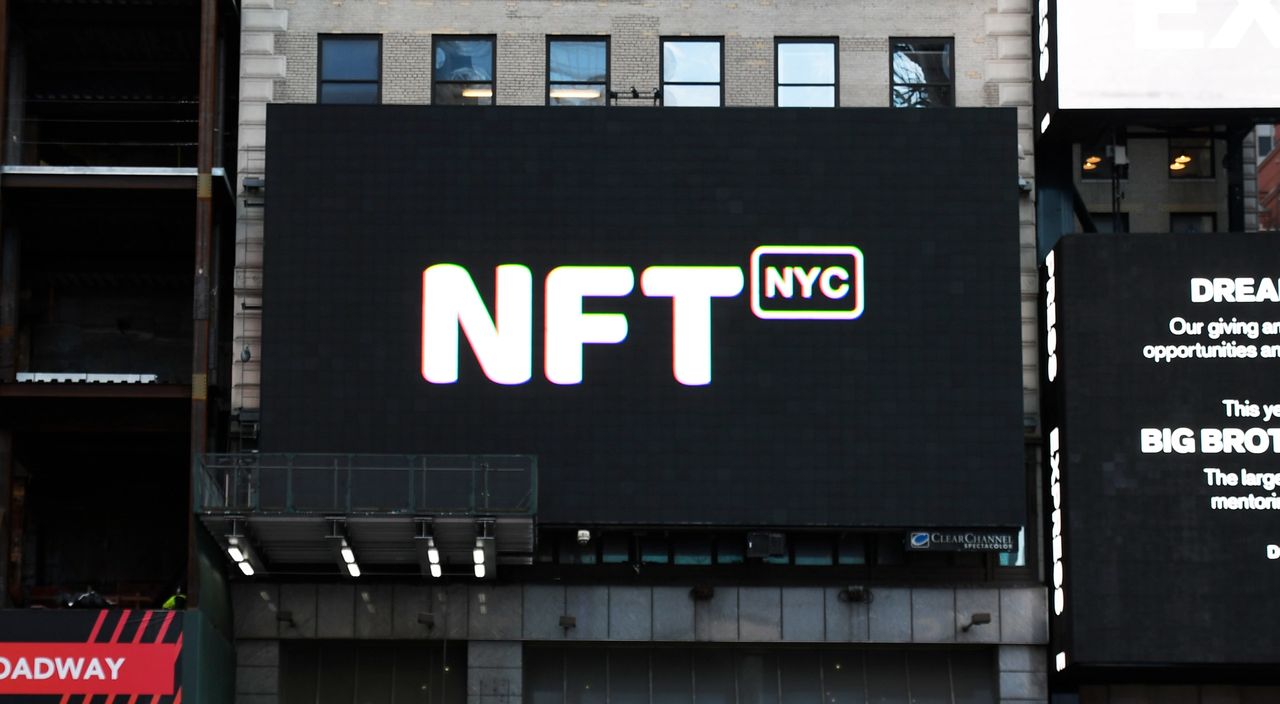
Real-time advertising offers a powerful way to engage consumers with targeted messaging, timely promotions, and localized campaigns.
Digital billboards are revolutionizing the advertising industry with their ability to reach a larger audience than ever before. With advancements in technology, these billboards have the potential to capture the attention of passersby and increase brand visibility in a dynamic and engaging way. Additionally, digital billboards offer improved targeting and personalization options, allowing advertisers to tailor their messages based on location, time of day, or other relevant factors. This level of customization ensures that ads are seen by the right people at the right time, maximizing their impact and effectiveness. As we move into the future, it is clear that digital billboards will play a pivotal role in shaping the advertising landscape.
The advent of digital billboards has provided advertisers with an unparalleled opportunity to enhance brand visibility. These high-resolution displays attract attention by delivering visually stunning content that captures viewers’ interest and leaves a lasting impression. With their ability to display vibrant colors and eye-catching animations, digital billboards create memorable experiences for audiences across various locations. By utilizing this innovative platform effectively, brands can establish themselves as leaders within their respective industries while staying ahead of competitors who have yet to embrace this modern form of advertising.
24/7 visibility to a wide range of audience: Digital billboards offer continuous exposure, ensuring your message reaches potential customers at all times. With their bright and eye-catching displays, these billboards capture attention day and night, maximizing your brand’s visibility.
Ability to target local, national, and international markets: Unlike traditional advertising methods that are limited by geography, digital billboards allow you to tailor your message based on specific locations. Whether you want to target a local community or expand your reach globally, digital billboards provide the flexibility to engage with diverse markets effectively.
Access to high-traffic areas for maximum exposure: Digital billboards strategically placed in high-traffic areas generate maximum exposure for your brand. By reaching large numbers of people as they commute or travel through busy urban centers or highways, you can ensure that your message is seen by a wide audience who may be interested in what you have to offer.
Eye-catching visuals capture attention in a crowded advertising landscape. With the rise of digital billboards, brands have a unique opportunity to showcase their creativity and engage with potential customers. Dynamic content allows for engaging storytelling and memorable brand experiences. By utilizing animations, videos, and interactive elements, brands can leave a lasting impression on consumers and stand out from their competitors. This enhanced brand visibility helps foster stronger connections with the target audience.
Real-time data analysis allows advertisers to create tailored advertisements that resonate with their target audience. By analyzing location, demographics, and consumer behavior, ads can be customized to deliver relevant messages that capture attention. Interactive features on digital billboards encourage user engagement and drive conversion rates by providing a more immersive and interactive experience. Integration with social media platforms further enhances personalization as it enables advertisers to create targeted campaigns based on individual preferences and interests.
Digital billboards are revolutionizing the advertising industry by offering improved targeting and personalization capabilities. Real-time data analysis enables tailored advertisements based on location, demographics, or consumer behavior while interactive features encourage user engagement and drive conversion rates. Integration with social media platforms allows for personalized ad campaigns that cater to individual preferences and interests. With these advancements in technology, advertisers can reach their target audience more effectively than ever before, ensuring maximum impact for their marketing efforts.
-410a973.jpg/:/cr=t:0%25,l:0%25,w:100%25,h:100%25/rs=w:1280 "Eye-catching visuals capture attention in a crowded advertising landscape")
Eye-catching visuals capture attention in a crowded advertising landscape
1. Potential distractions and safety hazards: The increasing prevalence of digital billboards raises concerns about their impact on driver attention and road safety. With their dynamic visuals, these billboards have the potential to distract drivers, leading to accidents or traffic congestion. Stricter regulations regarding the content, location, and brightness of digital billboards are necessary to mitigate these risks.
2. Environmental impact: While digital billboards offer greater flexibility in advertising campaigns, they also pose environmental challenges. These illuminated screens consume substantial amounts of electricity, contributing to higher energy consumption and carbon emissions. Implementing energy-efficient technologies or exploring alternative advertising methods may help minimize the ecological footprint associated with digital billboard usage.
3. Privacy concerns: As technology advances, so does the ability to collect data through digital billboards. Concerns arise regarding how this information is gathered and utilized for targeted advertising purposes without compromising individuals’ privacy rights. Striking a balance between effective marketing strategies and protecting personal data is crucial for maintaining consumer trust in this evolving advertising landscape.
Driver distraction is a significant potential safety hazard associated with digital billboards. The constant changing of images and bright lights can divert the attention of drivers, leading to accidents on the road. Visual clutter caused by an abundance of billboards in one area can also overwhelm drivers and impair their ability to focus on traffic signals and other important visual cues. Additionally, impaired visibility due to glare from digital billboards at night or during adverse weather conditions further increases the risk of accidents.
Digital billboards have a significant environmental impact in terms of energy consumption, light pollution, and electronic waste. These bright and attention-grabbing advertising displays require a substantial amount of electricity to operate, contributing to increased overall energy consumption. Additionally, the constant illumination from digital billboards can disrupt natural ecosystems and disturb nocturnal animals. Furthermore, the disposal of outdated or damaged electronic components from these billboards adds to the growing problem of electronic waste that is harmful to both human health and the environment.
Data collection and targeted advertising have raised significant privacy concerns in recent years. With the proliferation of digital billboards, individuals are increasingly being subjected to invasive tracking practices that gather their personal information without consent. This data is then used to deliver targeted advertisements, further compromising individual privacy rights. Additionally, the rise of “Big Brother” surveillance through these billboards amplifies anxieties regarding increased government monitoring and potential misuse of collected data for surveillance purposes. As digital billboards become more prevalent, it is crucial to address these privacy concerns and establish robust regulations to protect individuals’ rights in this evolving landscape.

Data collection and targeted advertising have raised significant privacy concerns in recent years.
Integration with artificial intelligence is set to revolutionize the world of digital billboards. AI-powered billboards will be able to analyze real-time data and deliver personalized advertisements based on user preferences and behavior. This advanced technology will enhance targeting capabilities, optimize campaign performance, and provide valuable insights for advertisers.
The use of augmented reality in digital billboards is another exciting trend on the horizon. With AR technology, billboards can transform into interactive experiences that engage consumers in a whole new way. Imagine walking past a billboard and being able to try on virtual clothing or visualize how furniture would look in your home. These immersive experiences will captivate audiences and create memorable brand interactions.
Data-driven advertising strategies are becoming increasingly important in the realm of digital billboards. By leveraging customer data, advertisers can tailor their messages to specific demographics or locations, ensuring maximum impact and relevance. Real-time analytics will enable quick adjustments to campaigns based on consumer response, allowing for agile marketing strategies that drive results.
In conclusion, the future of digital billboards holds immense potential with integration with artificial intelligence, the use of augmented reality, and data-driven advertising strategies at its core. These trends promise to elevate the effectiveness of outdoor advertising by delivering personalized experiences that resonate with consumers’ interests and needs.
Improved targeting and personalized ads have become more seamless with the integration of artificial intelligence (AI) in digital billboards. AI algorithms analyze real-time data, enabling advertisers to optimize their campaigns for maximum effectiveness. Furthermore, AI-driven technology allows for dynamic content creation based on audience demographics, ensuring that advertisements are tailored to specific target markets and enhancing engagement levels. With the power of AI behind them, digital billboards are revolutionizing advertising by delivering targeted messages directly to consumers in real time.
Interactive and immersive brand experiences are revolutionizing the advertising industry through the use of augmented reality. By overlaying virtual elements onto real-world environments, brands can create memorable and engaging campaigns that capture consumers’ attention like never before. Virtual try-on for fashion and beauty products is another application of augmented reality that allows customers to digitally experiment with different styles, colors, and looks before making a purchase. This not only enhances the shopping experience but also reduces returns, leading to increased customer satisfaction and loyalty. Furthermore, augmented reality opens up new possibilities for enhanced storytelling through interactive narratives, where users can actively participate in the storyline by interacting with virtual characters or objects in their surroundings.
Programmatic ad buying allows advertisers to optimize their campaigns and reach their target audience more efficiently. By using real-time data and algorithms, ads can be automatically purchased and placed across various platforms, ensuring maximum exposure and effectiveness. Additionally, hyperlocal targeting based on location data enables advertisers to tailor their messages to specific regions or even individual users, increasing relevance and engagement. Furthermore, providing ‘opt-out’ options gives users the ability to control their privacy settings, respecting their preferences while still delivering personalized advertising experiences. These data-driven advertising strategies are revolutionizing the industry by enhancing efficiency, personalization, and user empowerment.
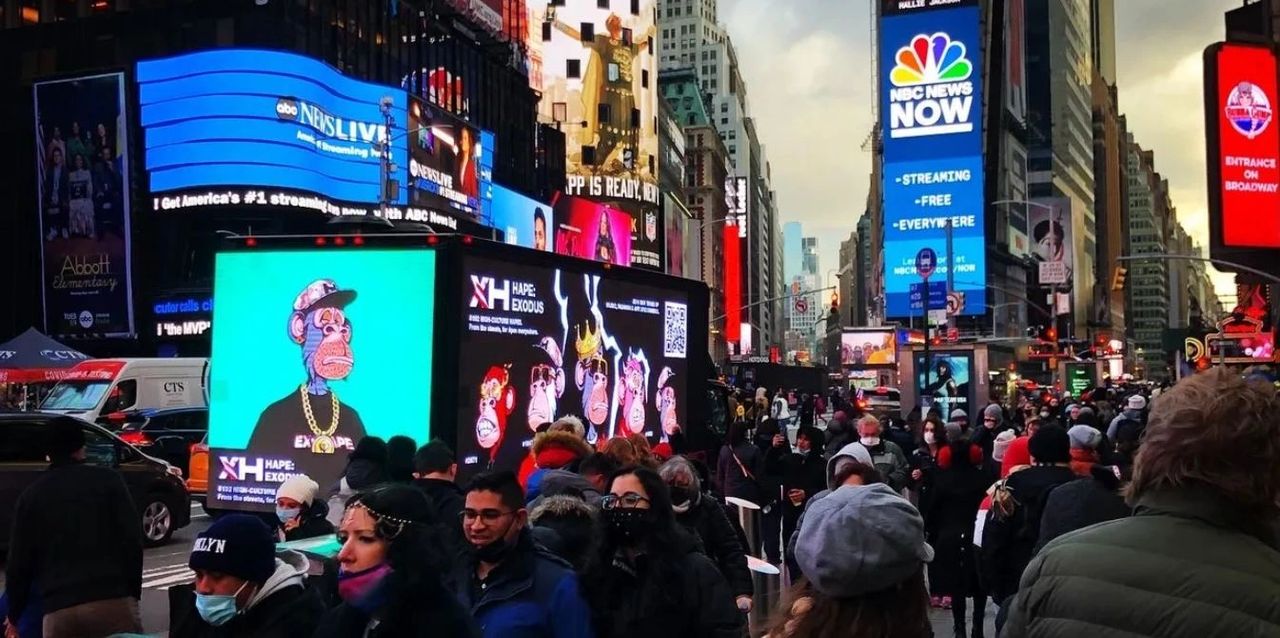
Programmatic ad buying allows advertisers to optimize their campaigns and reach their target audience more efficiently.
In conclusion, digital billboards offer numerous benefits in the field of advertising. They provide dynamic and eye-catching displays that can capture the attention of a wide audience. Additionally, their ability to deliver targeted and interactive content allows for more effective marketing strategies. However, along with these advantages come various challenges and limitations. Digital billboards require significant investment in terms of installation and maintenance costs. Moreover, concerns regarding privacy and distraction have raised ethical issues surrounding their usage. Nevertheless, technology continues to play a pivotal role in shaping the future of advertising. As advancements continue to be made, we can expect even more innovative ways to engage consumers through digital platforms. The integration of artificial intelligence and data analytics will further personalize advertisements based on individual preferences and behaviors. With its ever-evolving landscape, it is clear that the future holds immense potential for digital billboards as they redefine how brands connect with their target audiences.
Telegram: @americanguerillamarketing
Sign up to get blog posts here